How to Check Your Car for Hail Damage (and Why Most Owners Miss 90% of It)
Published · Updated
Check a clean car in safe, low-angle light, looking across roof, hood, trunk and roof rails for distorted reflections. Photograph damage for your insurer and record where the car was parked. A driveway inspection can miss shallow dents; professional PDR lighting establishes repair scope. The headline's percentage is not measured.
Why can a quick glance miss hail damage?
Shallow dents do not always appear as obvious dark circles. They change the way a panel reflects light. A bright sky, a curved surface or a dirty finish can make that change difficult to distinguish. Looking straight down at a hood may reveal less than looking along it from another angle. One clear photograph does not necessarily show the full condition.
The headline's 90% phrase is not supported here by a verified study or a count of owners' inspections. Do not use it as a measured estimate of damage you have missed. The practical point is narrower: a casual check can overlook dents, and the amount overlooked varies with lighting, paint color, panel geometry and how the car is examined.
How should you prepare the car safely?
Wait until the storm has passed and the location is safe. Do not inspect outside during active hail, lightning or other hazardous conditions. Choose a stable parking area where you are not exposed to traffic. If there is broken glass or another safety concern, address that before moving around the vehicle or trying to improve the viewing angle.
Wash off dirt using an appropriate routine wash and let the panels dry. Dirt and water droplets can interrupt reflections or resemble marks. Cleaning is not a repair technique; do not polish aggressively or apply pressure in an attempt to flatten dents. If washing is not safe because of damaged glass or another issue, leave that task until the vehicle can be assessed.
What kind of lighting makes dents easier to see?
Look along the surface rather than only directly at it. Soft light and clear reflected lines can reveal changes in the panel's shape. Move your viewing position slowly and compare the reflection from different angles. The aim is to notice a ripple or distortion, not to decide the final repair method from a single visual clue.
Strong glare can wash out shallow details. A phone light may help you explore a reflection, but it is not a substitute for specialist PDR lighting or training. Avoid pointing light into somebody's eyes or putting yourself in an unsafe position to see a roof. A professional inspection offers controlled lighting and an organized panel-by-panel assessment.
Which parts of the car should you inspect first?
| Area | What to look for | Safe inspection approach |
|---|---|---|
| Roof | Distorted reflections and shallow depressions | Look from ground level without climbing on the vehicle |
| Hood | Ripples, dimples and changes near edges | Compare reflections from more than one side |
| Trunk or rear lid | Uneven reflections across exposed metal | Check the surface and edges without pressing on dents |
| Roof rails | Subtle marks near narrow reinforced areas | Change your viewing angle and note concerns for inspection |
| Trim and glass | Dents, chips or cracks outside painted panels | Document visible issues without touching broken glass |
Start with upward-facing surfaces, then check other exposed panels. A storm's wind and the vehicle's position can affect where impacts occur. Do not assume only the hood is affected because that is the easiest panel to see. Roof rails are particularly easy to skip during a casual walk around the car, yet they can be important in a repair assessment.
How should you record what you find for a claim?
Take overall views that identify the vehicle and affected panel, then closer views of visible damage. Photograph from several safe angles when reflections hide the mark. Keep the original files for your insurer and follow its specific instructions. There is no need to edit the picture to make a dent look stronger or to claim damage you have not observed.
Record the storm date and where the car was parked, using the details you actually know. Note obvious glass or trim issues separately from painted-panel dents. If there was prior damage, explain that to the insurer rather than combining every mark into the new event. Clear, accurate documentation helps the claim discussion without pretending to be a complete technical estimate.
Use NWS Phoenix for weather context, but do not assume a warning proves your particular car was struck. A vehicle within a storm area still needs inspection. Your photographs document observations; the insurer evaluates coverage and the repairer evaluates scope. These are connected steps with different purposes.
When should you arrange a PDR-lighting inspection?
Arrange an inspection if the car was exposed to hail, if you see distorted reflections or if you are unsure what the finish is showing. A controlled-lighting check can identify affected areas that were difficult to see outdoors. It also assesses paint condition, repair access and whether paintless methods are appropriate, rather than simply confirming that something looks uneven.
A technician can distinguish repairable dents from cracked finish or damage outside PDR scope. The written estimate should explain the assessed panels and proposed work. Phone photographs may support insurance reporting, but they cannot reliably establish everything hidden by reflection or access. Request the inspection before deciding that apparently minor damage is too small to address.
Why should you avoid trying to remove dents yourself?
Do not hammer, push, pull or heat the panel based on an online shortcut. Uncontrolled pressure can compromise paint or change the metal in ways that complicate later repair. Specialist tools alone do not provide the assessment and control needed for PDR. Checking the car is about observation and documentation, not a trial repair.
Avoid taking apart interior trim or disturbing safety-related components to inspect behind a panel. Tell the technician what you observed and let the repair plan address access. Keeping the vehicle in its current condition gives the insurer and repairer a clearer starting point for evaluating the reported damage.
What should you know before moving from inspection to repair?
Comprehensive insurance generally covers hail subject to your policy, deductible and approved claim; liability-only coverage does not cover your own car's weather damage. Arizona's A.R.S. § 20-468 addresses your repair-shop choice. Confirm the insurer's reporting and inspection instructions before authorizing repairs, and keep the claim number with the estimate.
The repair work itself usually takes 1–3 days. The total time can vary depending on your insurance company — how fast the claim is approved and the adjuster inspects the car. We give you a realistic date at your free inspection and keep you updated until delivery.
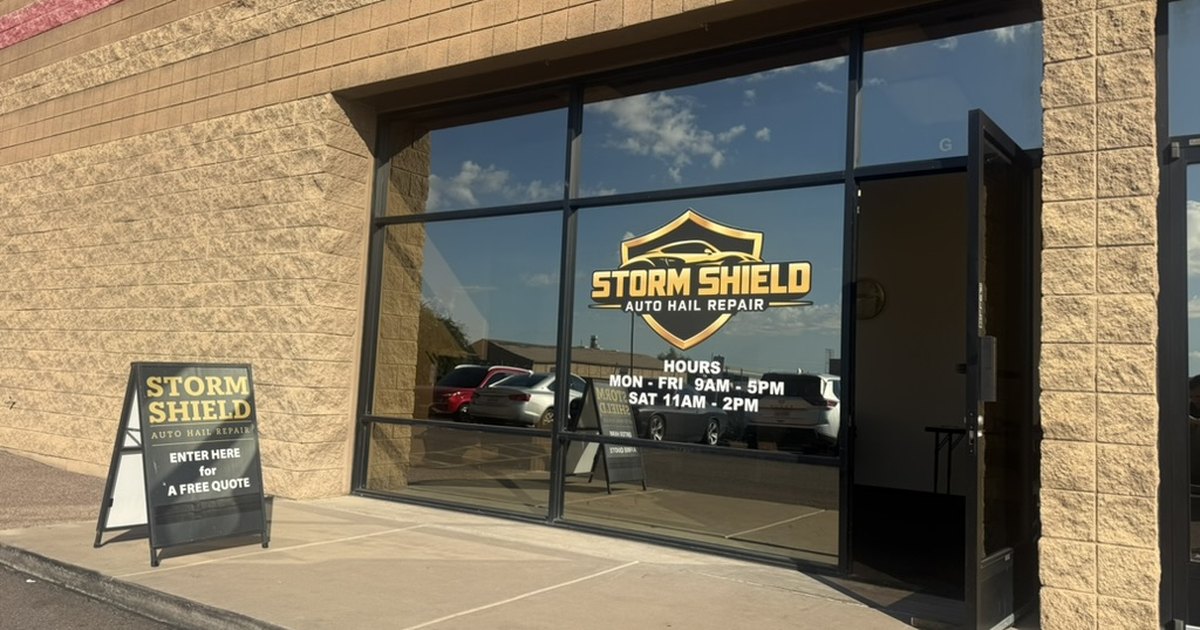
Visit Phoenix hail repair for an inspection under PDR lighting at the Deer Valley shop or to discuss the available inspection arrangements. The useful outcome is a documented scope and realistic plan, not a guessed percentage of hidden damage.
Which sources support this guide?
- National Weather Service Phoenix — weather and storm information
- Arizona Department of Insurance and Financial Institutions — insurance consumer information
- Arizona DIFI — physical damage and comprehensive coverage
- Arizona DIFI — accidents, thefts or other damage
- Arizona Legislature — A.R.S. § 20-468, repair facility choice
What else do Phoenix drivers ask?
- Do owners really miss 90% of hail damage?
- There is no verified measurement here showing that owners miss 90% of damage. The headline emphasizes how easily shallow dents are overlooked; the amount missed varies with lighting, finish, panel shape and inspection conditions.
- Which panels should I inspect after hail?
- Check the roof, hood, trunk and roof rails from several safe viewing angles, then inspect other exposed panels, trim and glass. Do not climb on the vehicle or attempt repairs yourself.
- Are phone photographs enough for a repair estimate?
- Photographs can document your insurance claim, but glare, reflections and viewing angles can hide dents. A professional inspection under PDR lighting establishes the affected panels and written repair estimate.
- How long does repair take after inspection?
- The repair work itself usually takes 1–3 days. The total time can vary depending on your insurance company — how fast the claim is approved and the adjuster inspects the car. We give you a realistic date at your free inspection and keep you updated until delivery.
Ready to Get Started?
Discuss your inspection and approved repair plan; offers apply on qualifying comprehensive claims.
Phoenix hail repair and inspection(888) 484-4245